

Free Your Legs
What Are Varicose Veins?
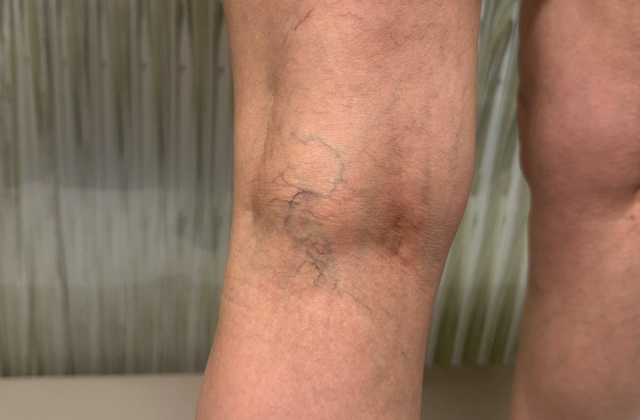
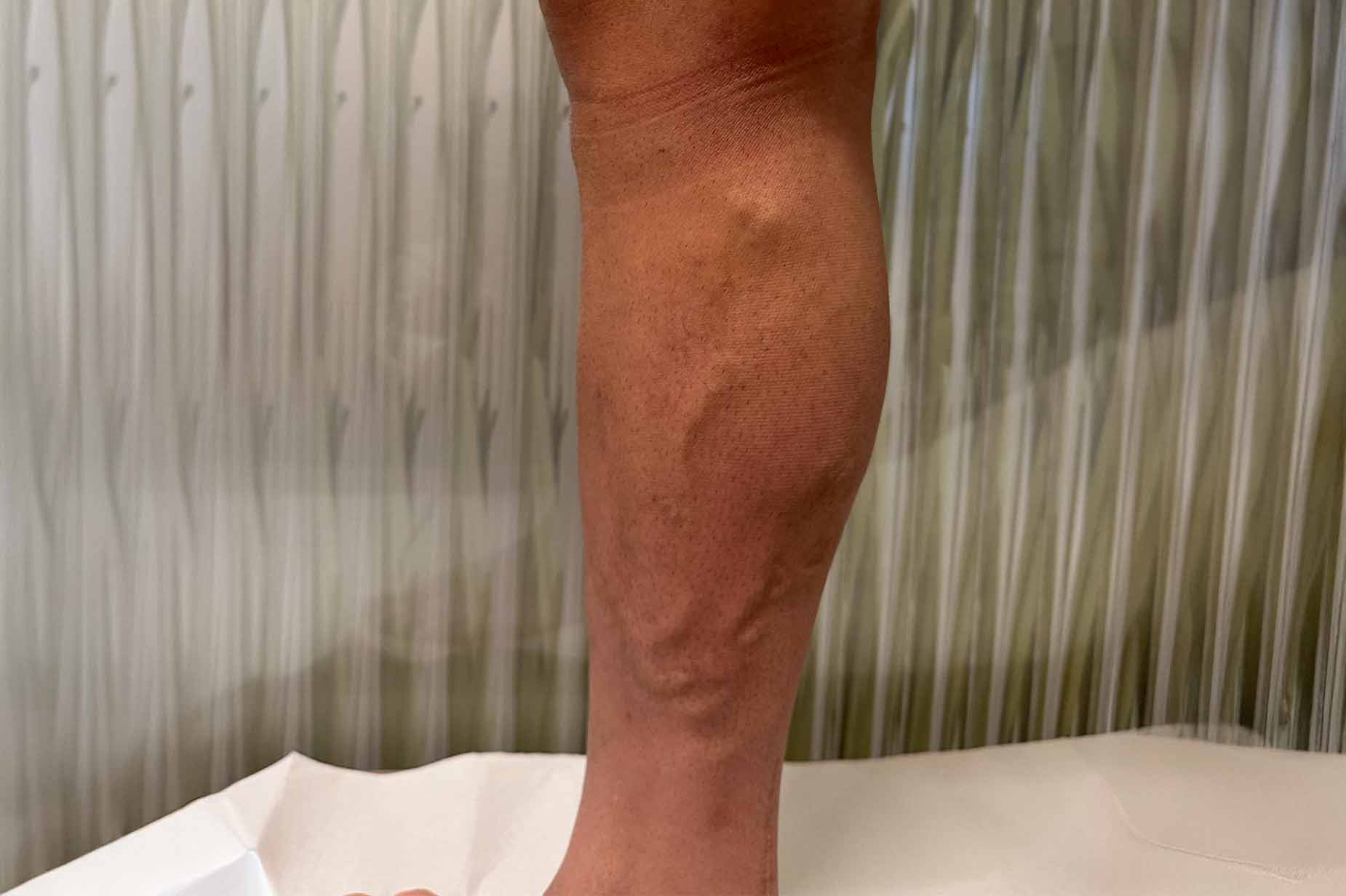
Varicose veins come from the Latin word “VARIX”, meaning a “twisted vein.” In practice, it describes the lengthening, widening, and twisting that can occur when the vein wall weakens or the vein remains under increased pressure for various reasons. In medical terminology, “vein” refers to the vessel itself, and “venous” refers to conditions related to veins.
Varicose veins are not only a modern medical concern but also a historically recognized condition; findings that may be associated with varicose veins have been noted even in certain figures and sculptures from Ancient Greece. In this sense, varicose veins have long been a common vascular issue that can cause discomfort and symptoms across societies.
The venous system in the legs is generally evaluated in two parts: deep and superficial. The deep venous system, which carries most of the blood, runs close to the muscles and bones. Among the superficial veins that support the deep system are the saphenous vein, extending from the groin to the ankle, and the small saphenous (parva) vein, which runs behind the knee. Varicose veins most often develop when these superficial veins undergo structural changes and valve function becomes insufficient.
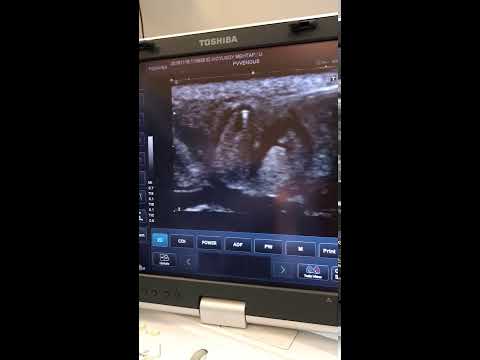
For individuals in the Bodrum and Muğla region with varicose vein complaints, an evaluation of the venous anatomy with a clinical examination and color Doppler ultrasound is recommended to support an accurate diagnosis, followed by a personalized treatment plan.
Treatment Options
After a clinical exam + color Doppler ultrasound, the most suitable method is selected based on your vein anatomy and the type of varicose veins, and a personalized treatment plan is created.
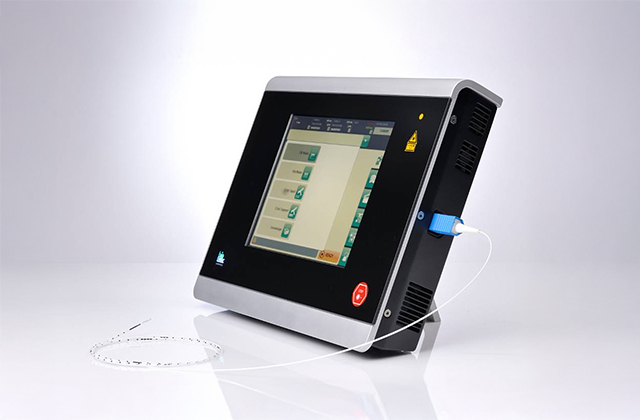
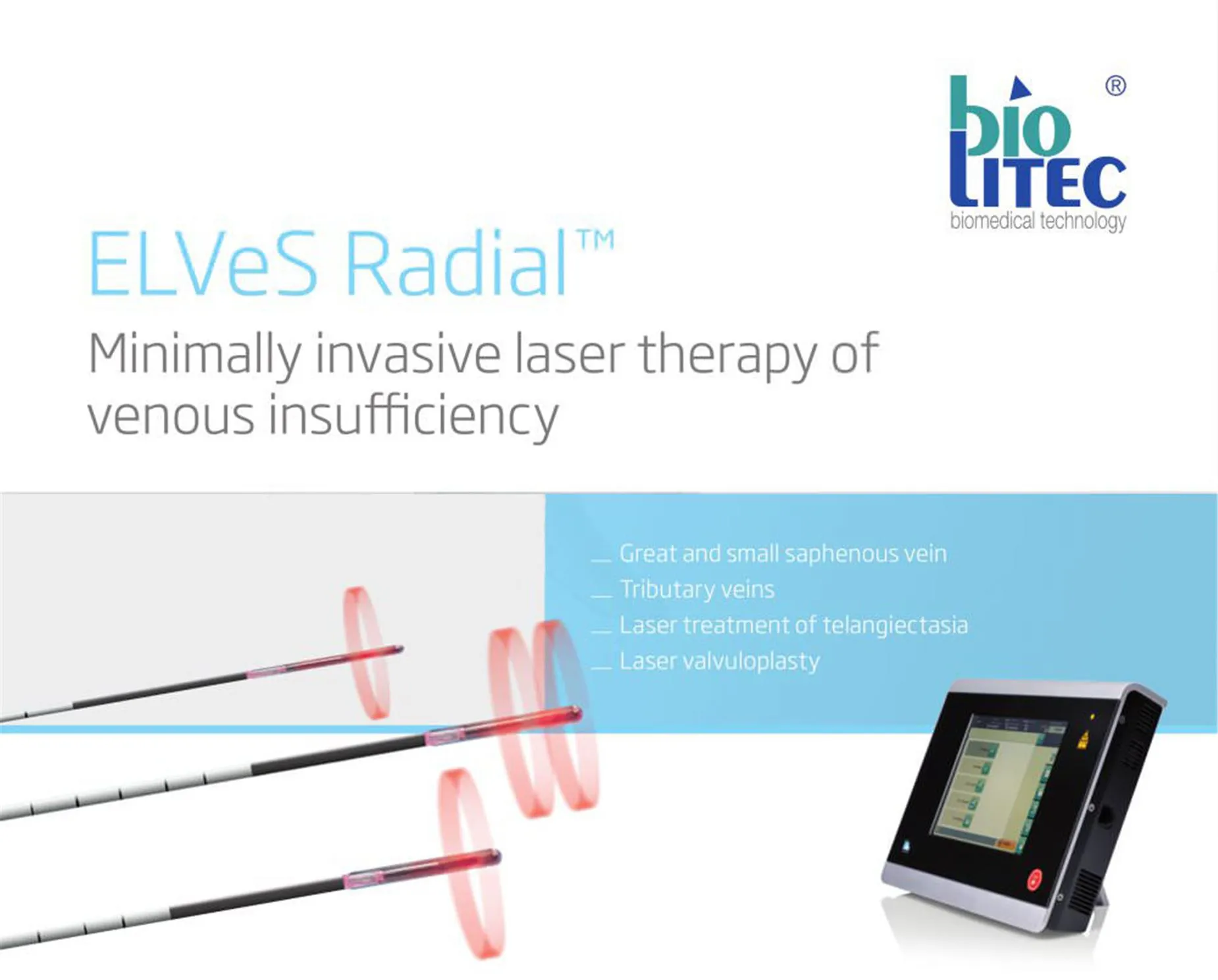
Endovenous Laser Treatment (EVLA)
Endovenous laser is a treatment method based on closing the affected vein using laser energy.
Details
Modern approach
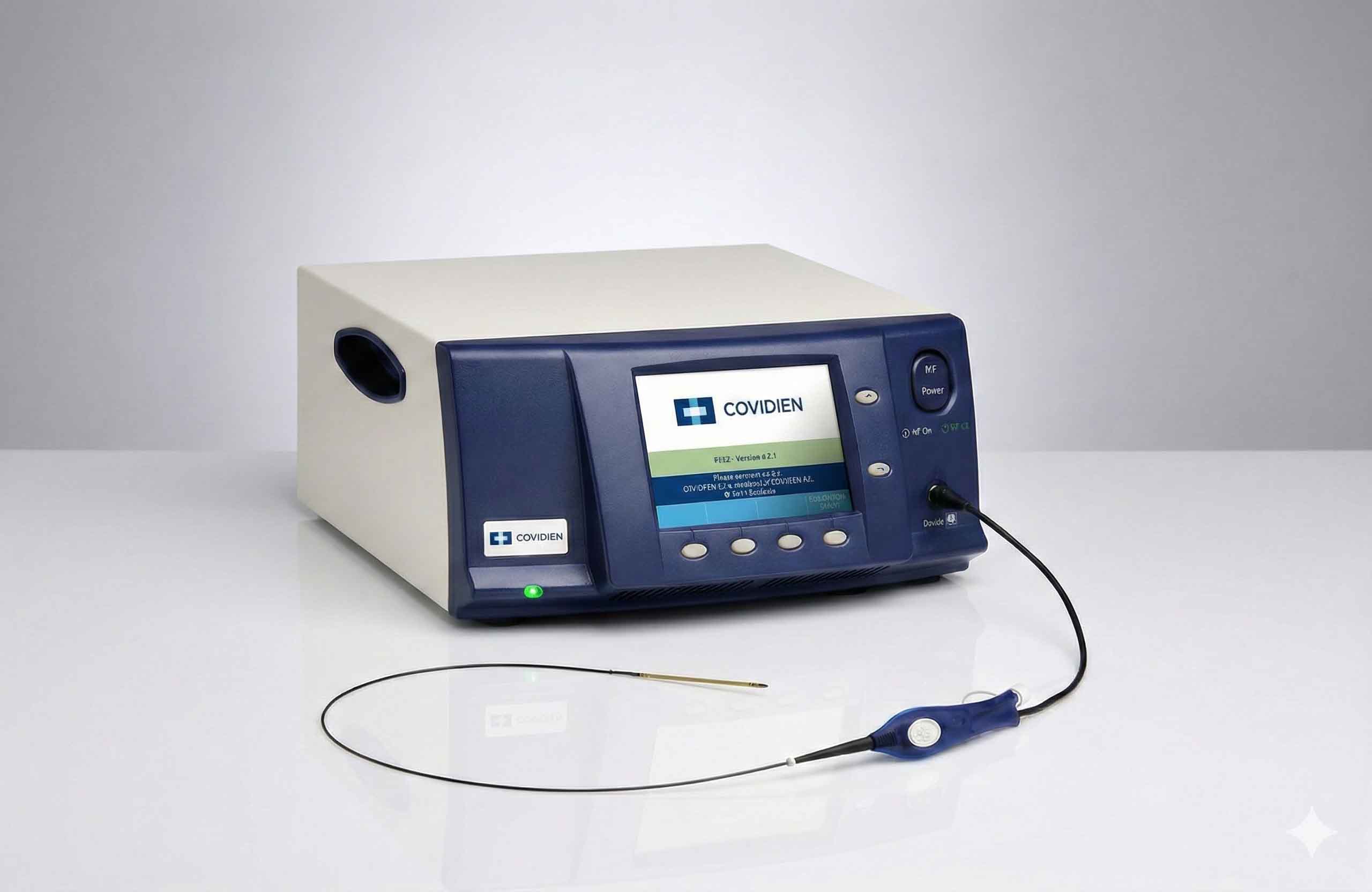
Radiofrequency (RF) Ablation
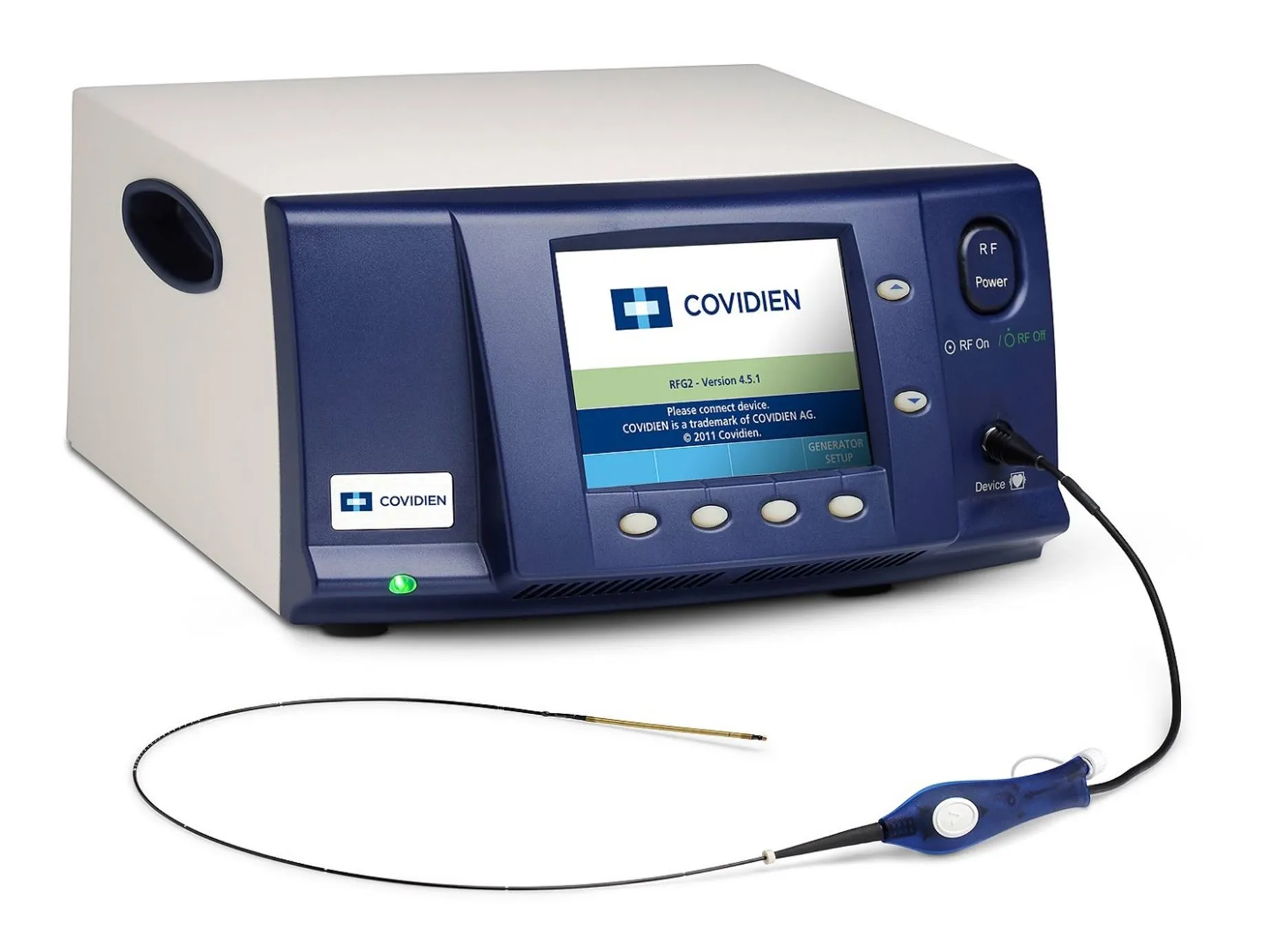
Radiofrequency treatment is based on closing the vein that causes varicose veins using thermal energy.
Details
Modern approach
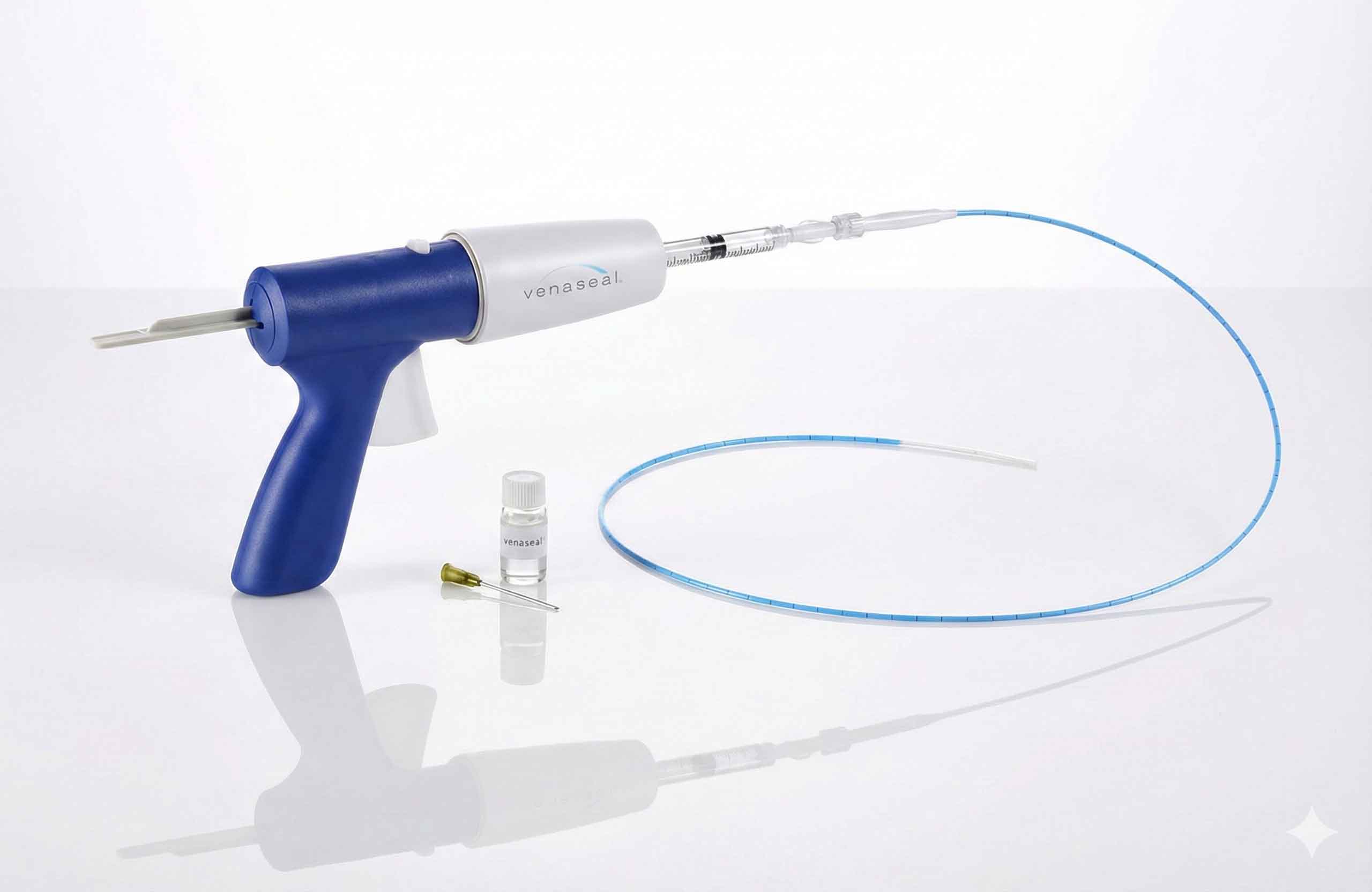
VenaSeal
VenaSeal is a modern varicose vein treatment based on closing the affected vein with a medical adhesive.
Details
Modern approach
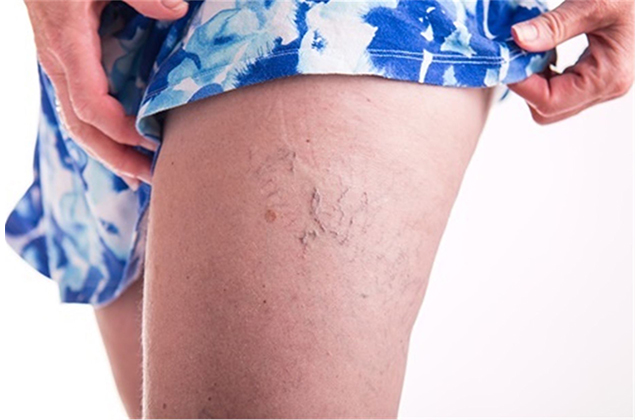
Sclerotherapy
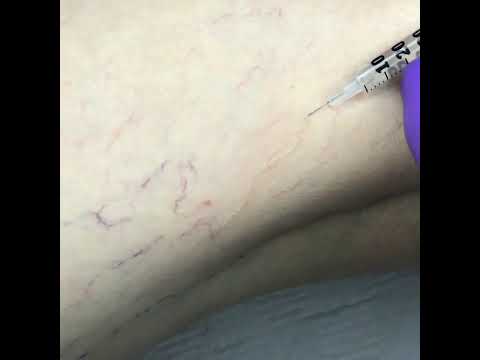
Sclerotherapy is a method of closing a varicose vein by injecting a special medication into the vein.
Details
Modern approach
Foam Sclerotherapy
Foam sclerotherapy is the application of a foamed sclerosant medication into the varicose vein.
Details
Modern approach
Mini Phlebectomy
Mini phlebectomy is the removal of large, superficial varicose veins through small incisions.
Details
Modern approach
Varicose Vein Surgery
Varicose vein surgery is a surgical treatment option used in advanced-stage or widespread cases.
Details
Modern approach

Medical Management (Medications)
Medications may help reduce symptoms of varicose veins but do not provide a permanent solution.
Details
Modern approach

Prevention
With lifestyle adjustments, the development and progression of varicose veins may be slowed.
Details
Modern approach
How the Process Works
01
Consultation
Your symptoms and vein map are evaluated.
02
Doppler Ultrasound
The degree of venous insufficiency / reflux is clarified.
03
Treatment Plan
The method is selected and a personalized plan is created.
04
Follow-Up
Ongoing checks and guidance aim for long-term results.
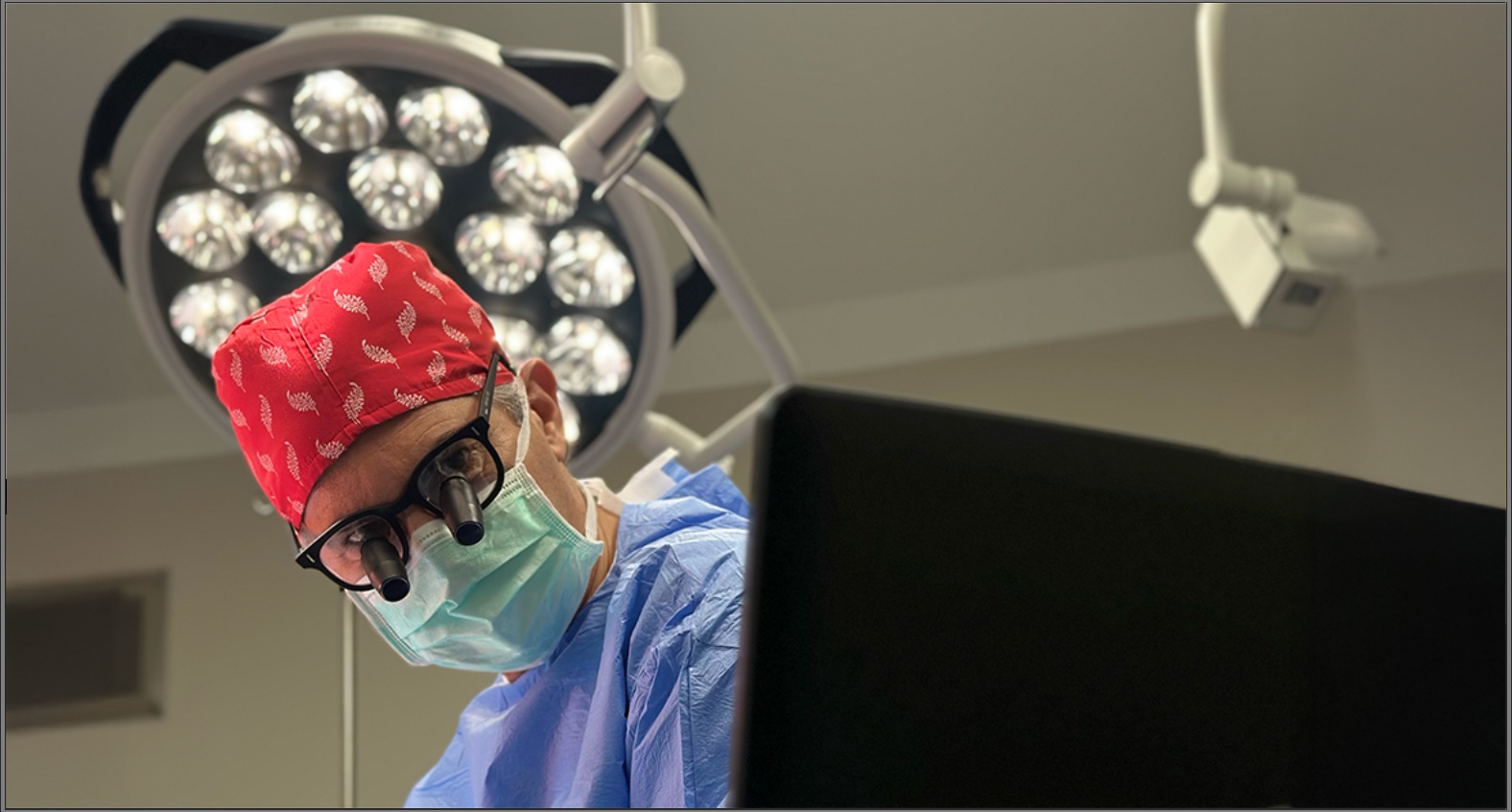
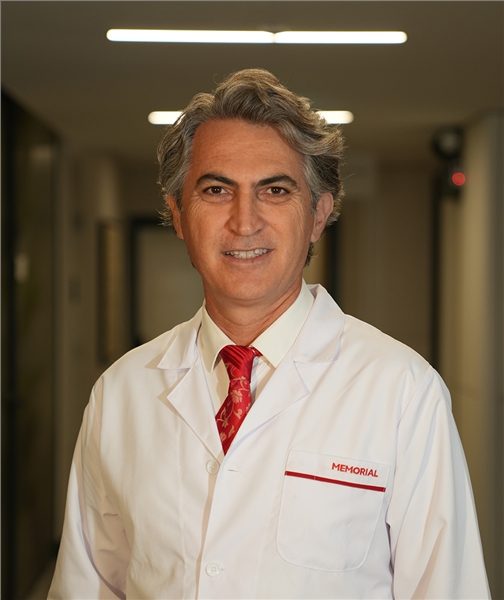
Assoc. Prof. Dr. İbrahim UYAR
I understand the pain, swelling, and aesthetic concerns that varicose veins can cause. Since every patient’s vein anatomy is different, we plan the diagnostic and treatment process on an individual basis after Doppler evaluation. Our goal is to protect your leg health and improve your day-to-day comfort.
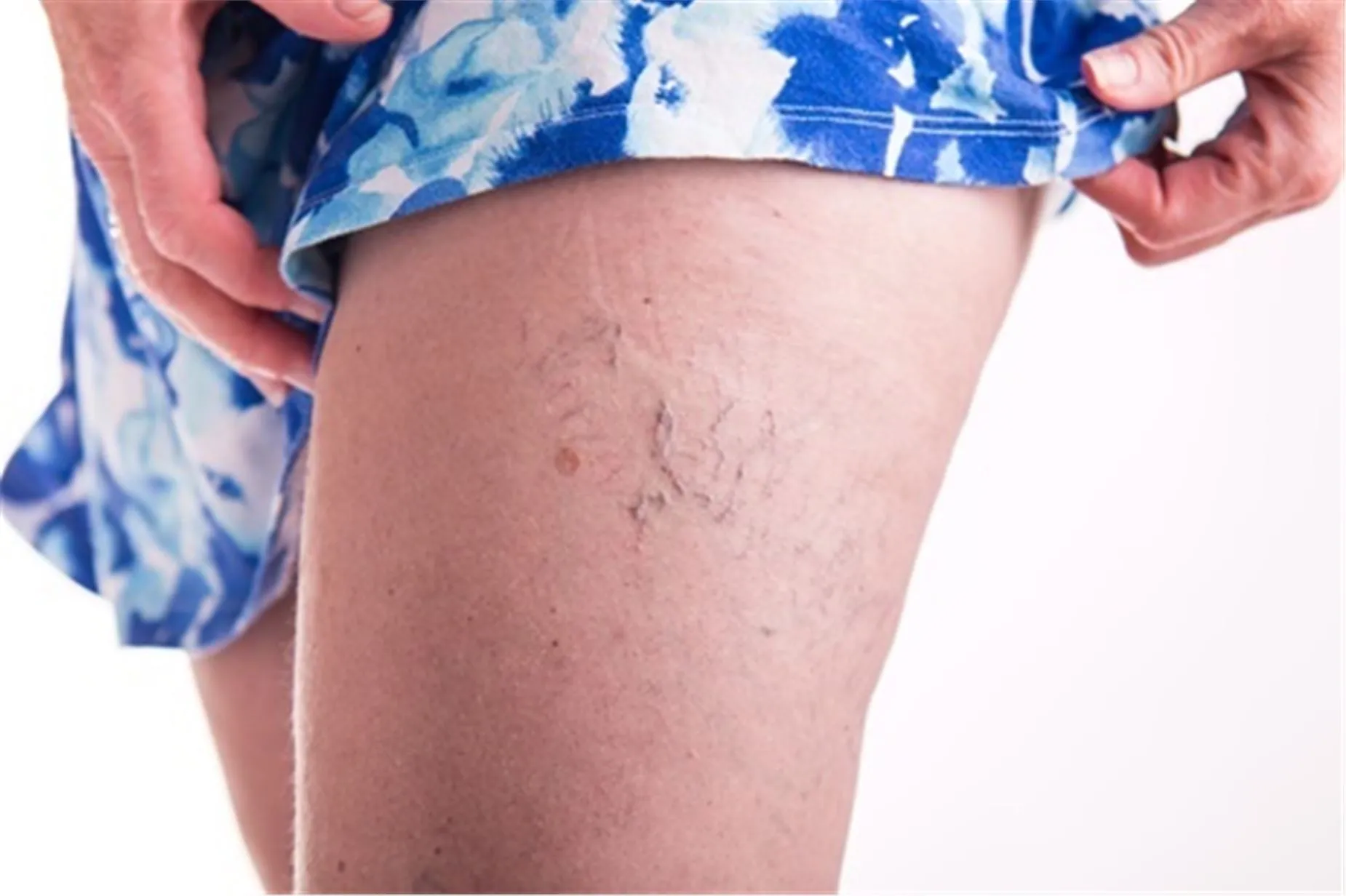
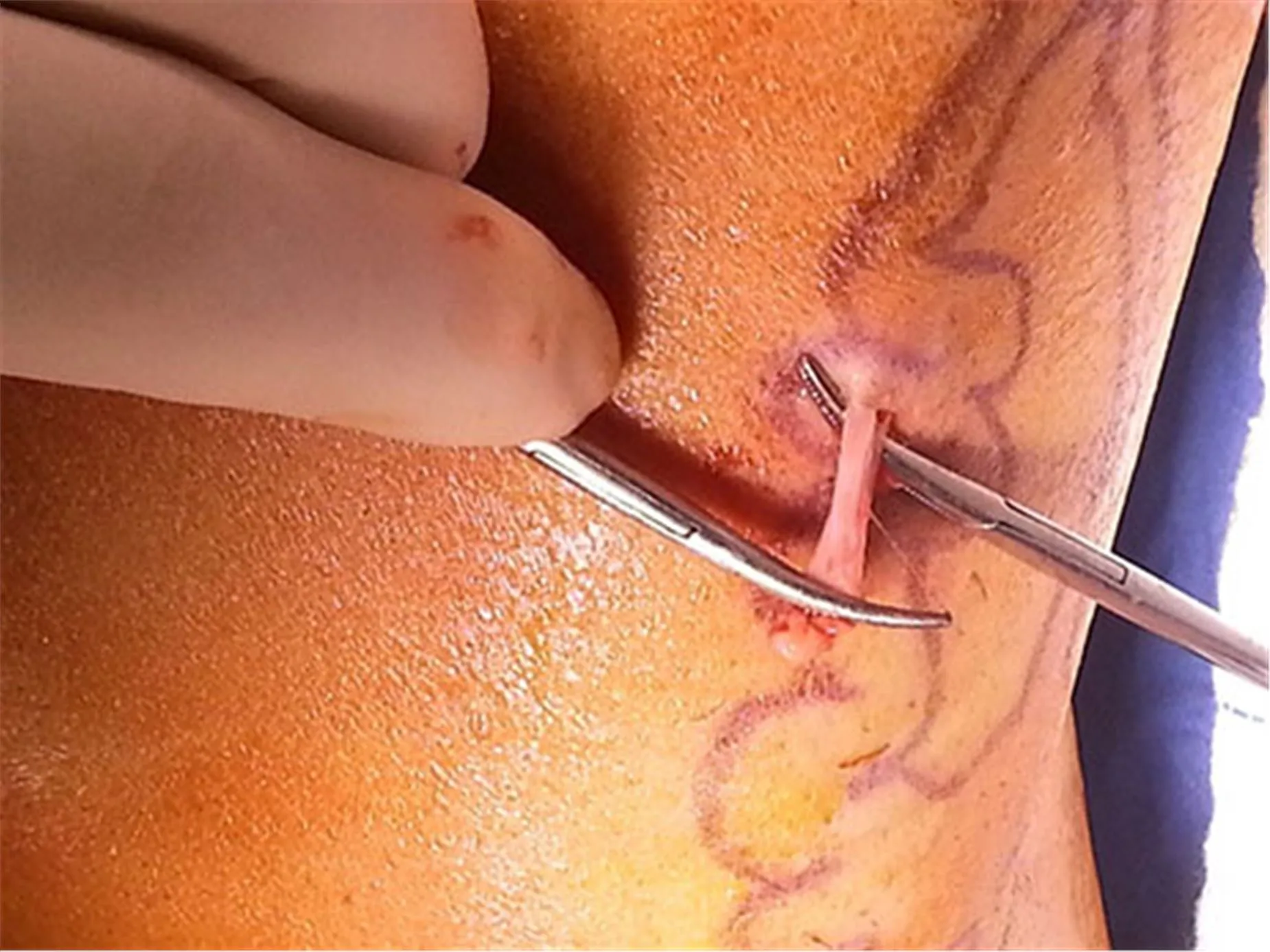
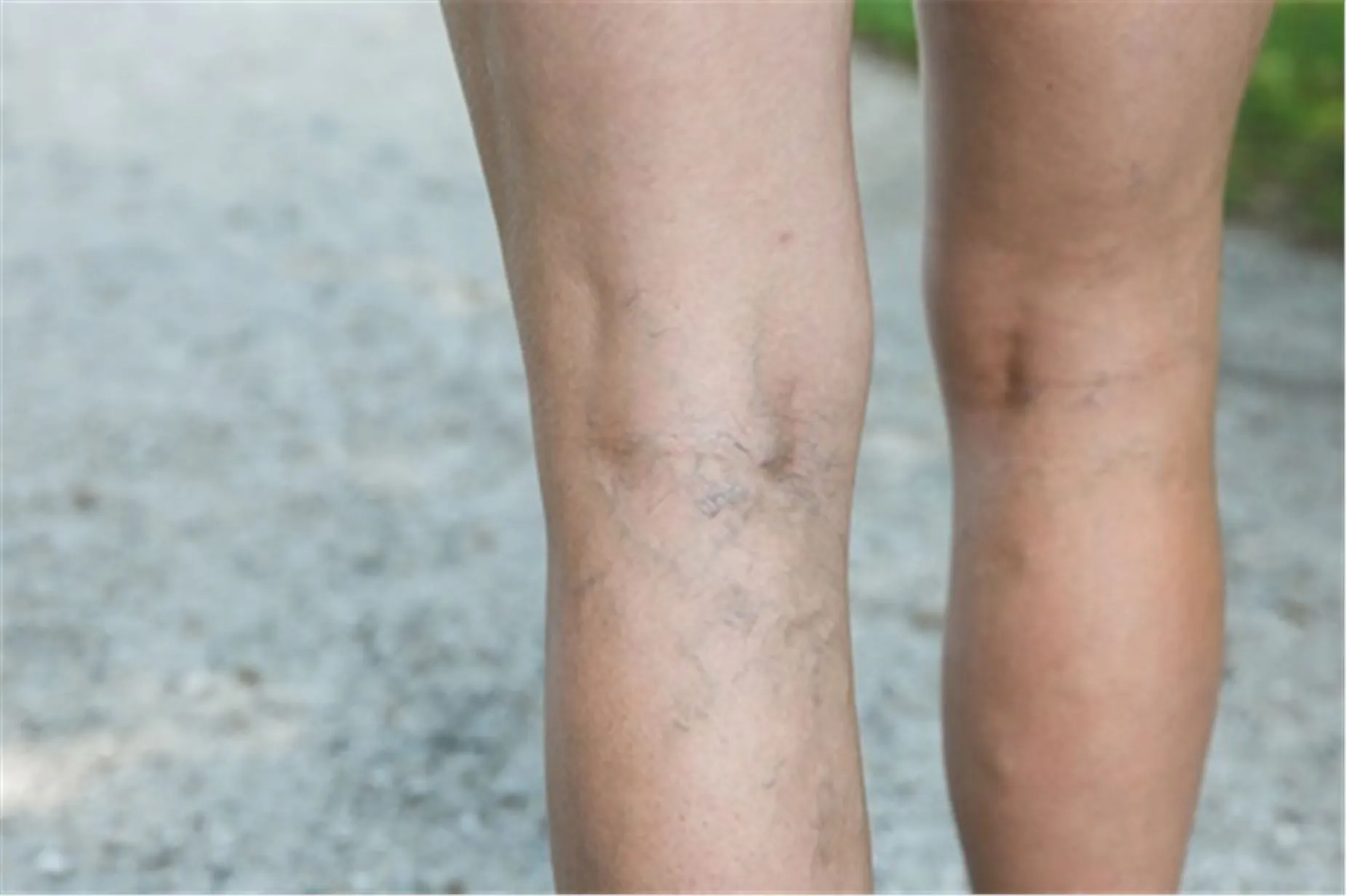
About varicose veins and treatment options
Frequently Asked Questions
No. Varicose veins can affect individuals of any age and gender. Although they are more common in women over 40, we also treat patients in their 20s and 30s. Another common misconception is that varicose veins occur only in women—varicose veins are also frequently seen in men.
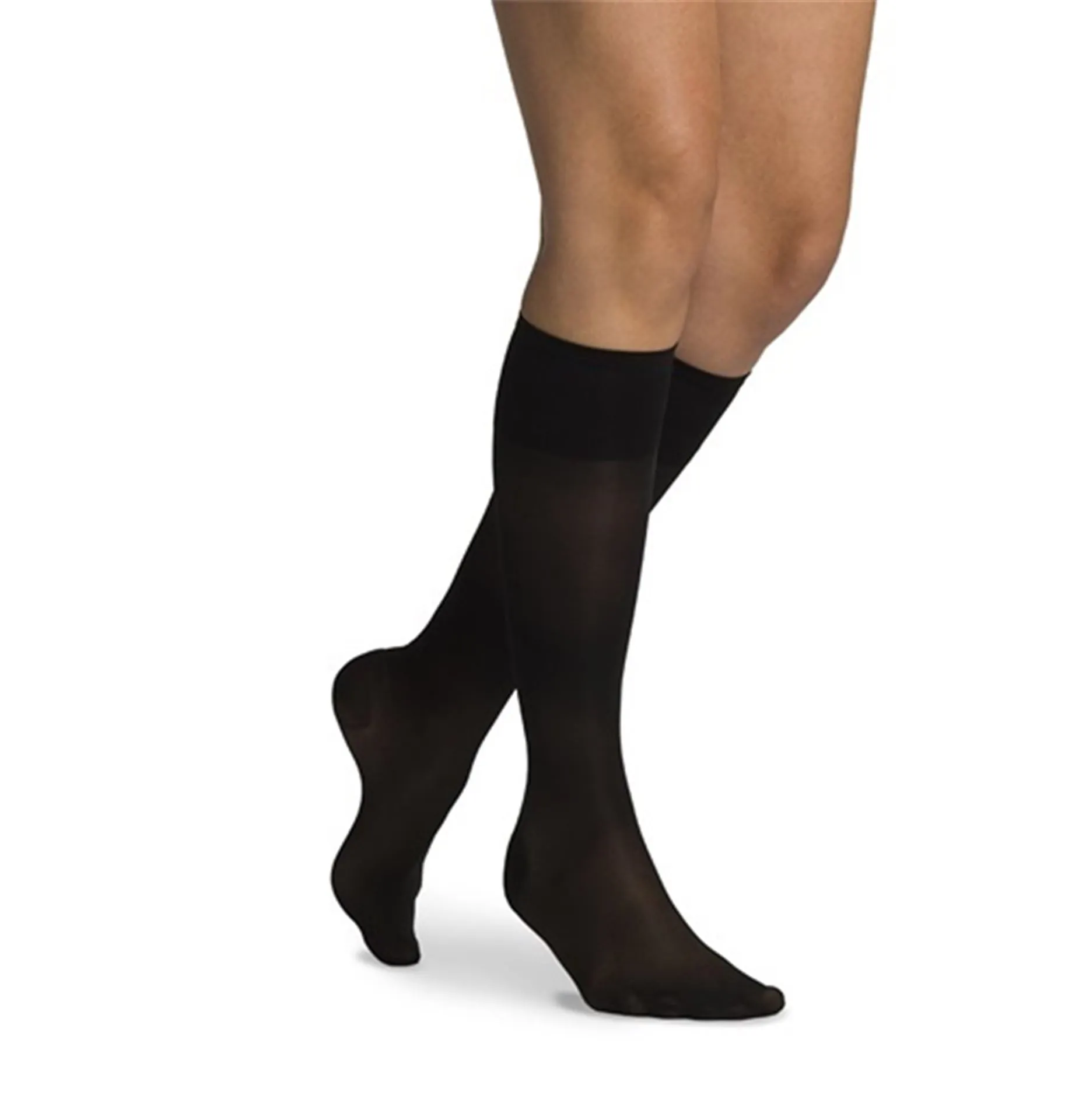
There is no guaranteed way to completely prevent varicose veins. However, maintaining a healthy body weight, exercising regularly, avoiding prolonged standing or sitting when possible, and using compression stockings may help reduce the likelihood of developing varicose veins. If you already have varicose veins, these lifestyle changes can also help relieve symptoms such as leg pain and swelling.
Each patient is unique in terms of venous anatomy and clinical symptoms. To achieve a successful outcome, it is important for the process to be managed by an experienced physician. The most appropriate treatment method is determined individually based on your specific condition.
No. Closing a non-functioning varicose vein can actually help promote healthier venous circulation. The body has a highly supportive vascular network; healthy veins can take over the function that the diseased vein is no longer able to perform.